Blue Skin
Self-adhered membrane systems (Blue Skin or equivalent) for air, vapour, and water control across the building envelope.
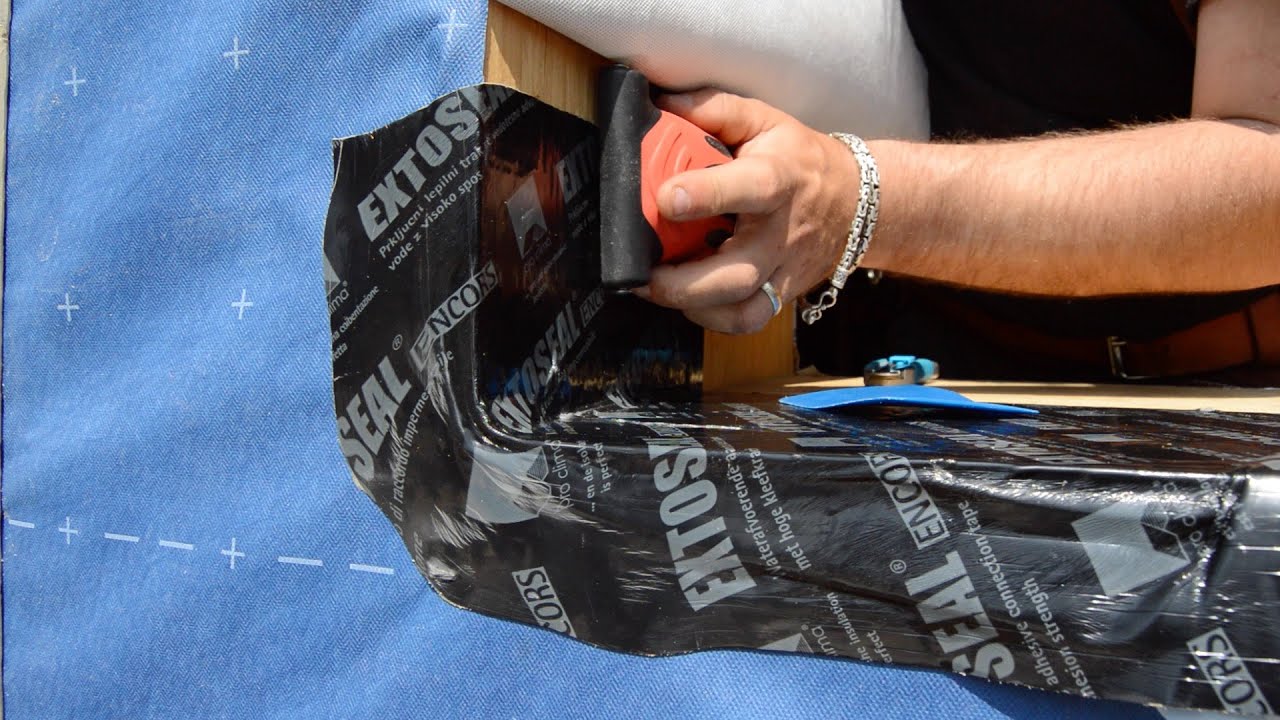
Self-adhered membrane systems (Blue Skin or equivalent) for air, vapour, and water control across the building envelope.
Blue Skin membrane work is performed where continuity across vertical envelope assemblies is required and detail quality directly affects building performance. Work is coordinated with cladding, glazing, and adjacent systems to maintain clean tie-ins and inspection-ready sequencing.
Typical applications include:
Exterior foundation and vertical wall transitions
Sheathing, curtainwall interfaces, and window openings
Mechanical/electrical penetrations
Parapets, edges, and high-detail zones
Retrofit tie-ins and phased envelope work

Confirm tie-ins, transitions, and substrate requirements. Align sequencing with glazing, cladding, and sealant scopes to prevent gaps.
Clean and condition substrates (including primers where specified) to support adhesion and long-term bond stability.
Install membrane with controlled alignment, laps, and pressure to ensure full contact and system continuity.
Treat openings, corners, and penetrations using compatible accessories to maintain continuity around the highest-risk details.
Coordinate tie-ins with adjacent assemblies to maintain continuity across dissimilar materials and changing planes.
Verify installation and compile documentation aligned with project close-out and inspection requirements.

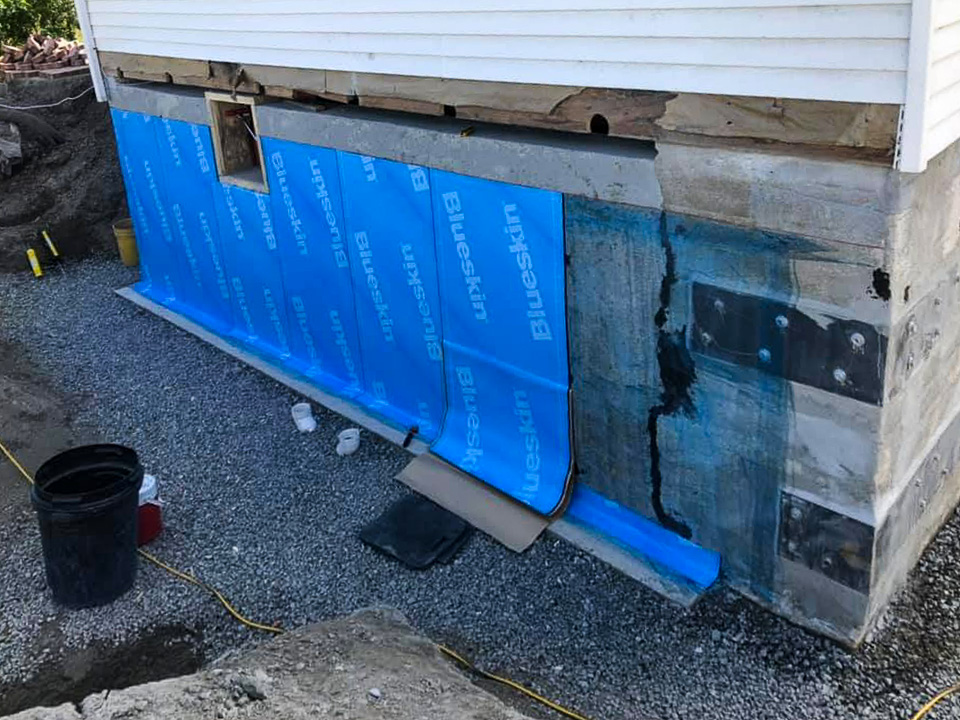
Blue Skin work focuses on continuity—proactively sealing transitions at openings, penetrations, and terminations to eliminate common failure points in the envelope.
.webp)