Marine Insulation
Fire-rated, thermal, and mechanical insulation for marine vessels — including mechanical and exhaust piping systems, complete jacketing, and class-rated fire separation assemblies.
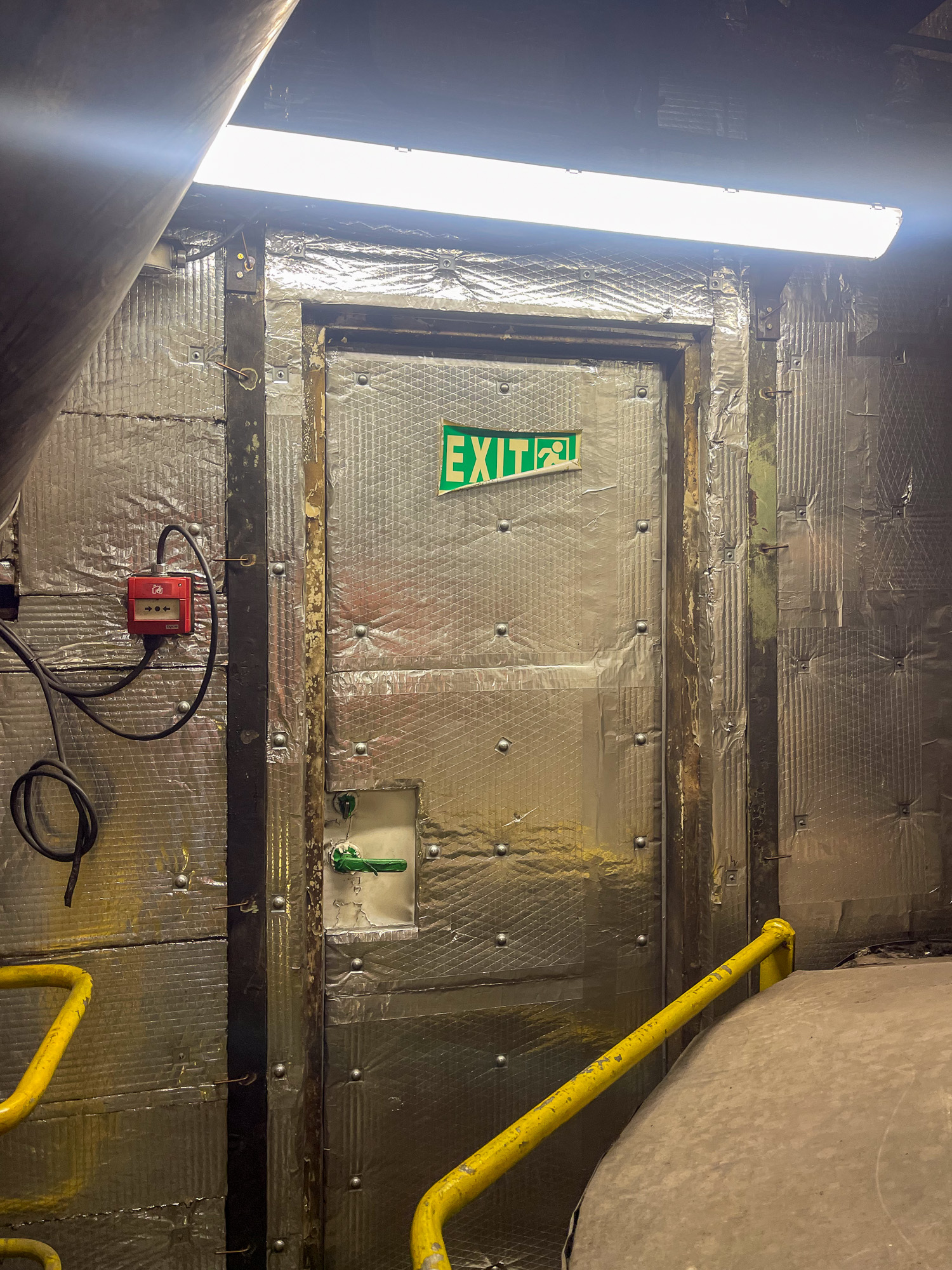
Fire-rated, thermal, and mechanical insulation for marine vessels — including mechanical and exhaust piping systems, complete jacketing, and class-rated fire separation assemblies.
Marine insulation work is performed onboard vessels and in shipyard environments where access, safety, and timing are tightly controlled.
Typical settings include:
Engine rooms and machinery spaces
Piping systems and tanks
Vessel accommodation and service areas
Dry-dock and shipyard work zones
Mechanical and exhaust piping runs (engine-room and service routes)
Exhaust trunks, risers, and high-temperature lines
Work is planned to integrate with vessel schedules and other trades.
Mechanical and exhaust piping insulation for temperature control and personnel protection.
Appropriate jacketing to protect insulation from moisture, abrasion, and service conditions.
Thermal insulation to reduce heat loss and stabilize system performance.
Class-rated fire separation insulation where required to maintain rated boundaries and safe passage.
Fire-rated insulation systems, including A-60 class divisions and related assemblies, are provided where required to meet marine fire protection standards, along with broader marine insulation applications across vessel systems.

Confirm access, sequencing, permits, and vessel safety requirements before mobilization.
Verify routes, clearances, penetrations, and maintenance access around mechanical and exhaust piping.
Select insulation and jacketing suited to temperature range, vibration, moisture, and service conditions.
Install thermal and mechanical insulation with clean terminations and protected edges.
Fit and seal jacketing to protect insulation from moisture, abrasion, and operational wear.
Complete class-rated fire separation scopes where required, then verify, clean, and document for turnover.


Marine insulation work is performed in accordance with applicable safety standards and Transport Canada expectations.
Coordination with shipyard safety programs and vessel personnel is essential throughout the work.