Mold Abatement
Removal of mould-affected materials and restoration to clean indoor environments.
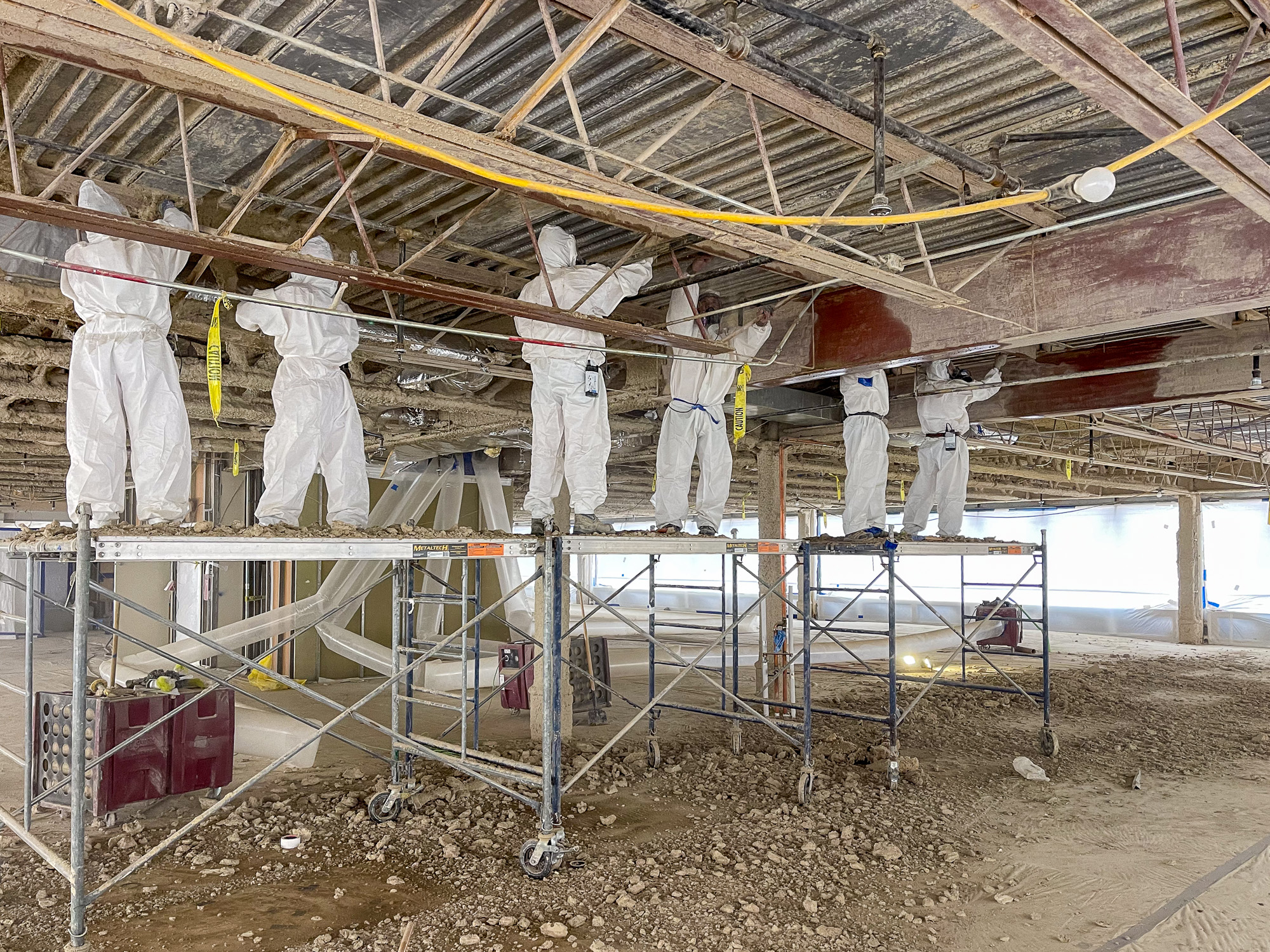
Removal of mould-affected materials and restoration to clean indoor environments.
Mold remediation is performed in environments where indoor air quality and occupant health are priorities.
Typical settings include:
Commercial offices and mixed-use buildings
Residential and institutional facilities
Healthcare and care environments
Mechanical spaces affected by moisture
Work is planned to limit disturbance and restore clean conditions quickly.

Painted surfaces, coatings, substrates, and disturbance scope are evaluated to determine exposure pathways and required control measures.
Abatement scope is classified as Type 1, Type 2, or Type 3 based on material condition, disturbance potential, and occupancy. Controls, containment, and procedures are established accordingly.
Work areas are isolated using appropriate barriers, ventilation control, and dust suppression techniques to prevent lead migration.
Lead-containing materials are removed, encapsulated, or stabilized using approved methods based on condition, location, and project scope.
Surfaces are cleaned using HEPA-equipped methods and prepared for verification sampling where required.
Waste materials, cleaning records, and verification documentation are compiled to support regulatory compliance and project close-out.
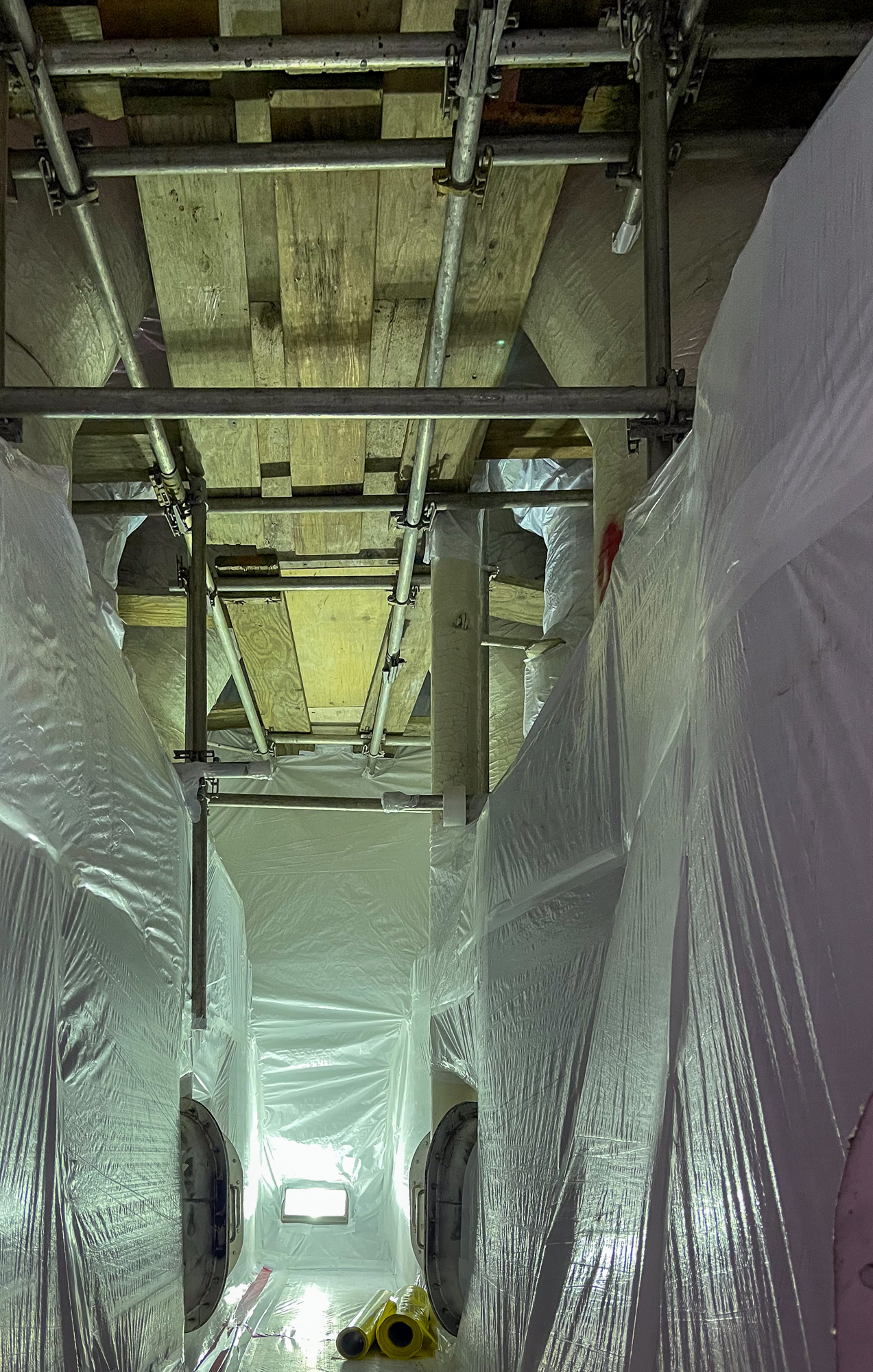
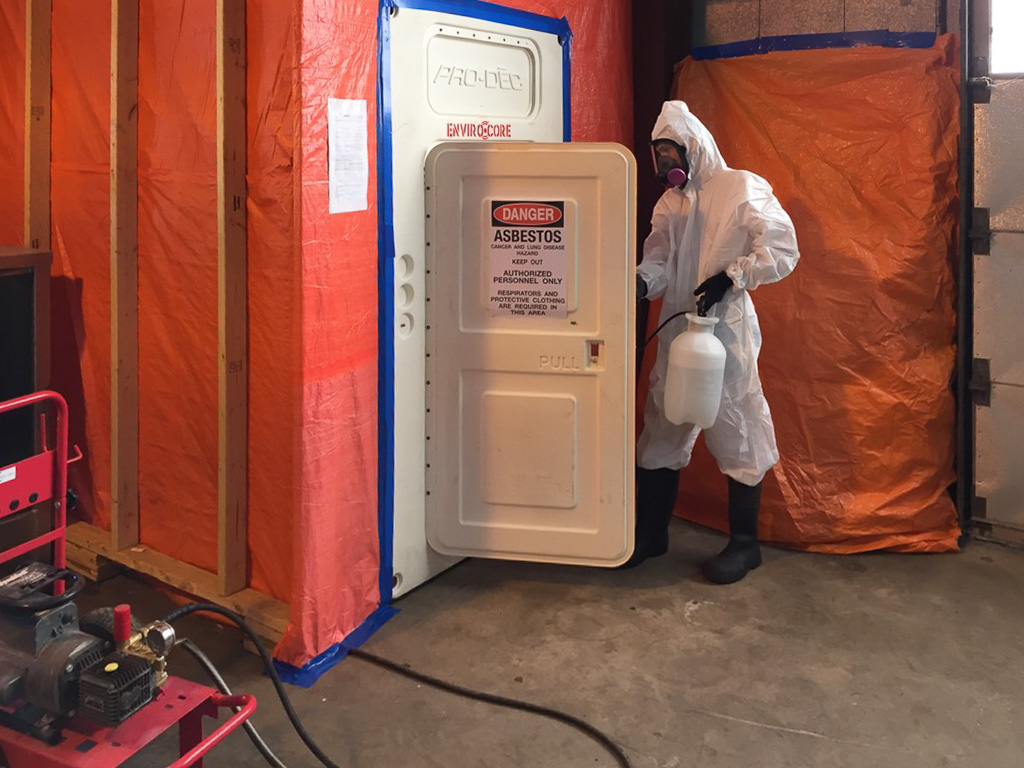
Lead abatement work is performed in accordance with applicable regulations and site-specific safety programs.
Coordination with building owners and safety personnel ensures work is completed cleanly and responsibly.
